
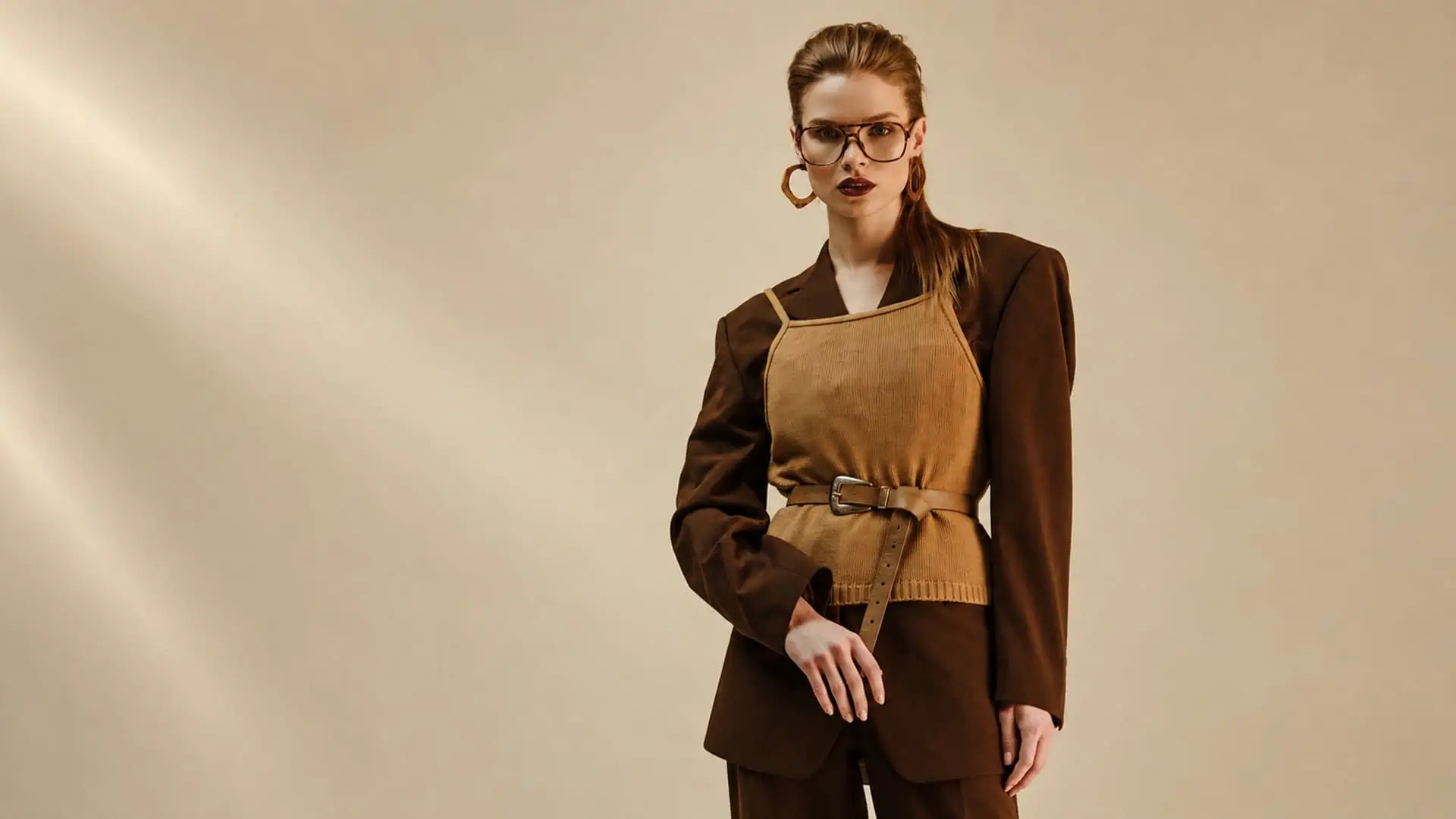
Within seconds a dress can start look appealing. The color may catch your attention, the silhouette may seem flattering, and you immediately start imagining all the places you want to wear it. However, that quick attraction doesn’t mean that it will translate into a dress that you will actually love or enjoy wearing.
A simple way to slow down that first impression is the 7-second dress test. With this test you don’t turn it into an exhausting inspection. During those first few seconds, focus on seven practical areas: silhouette, fit, fabric, construction, movement, versatility, and comfort. These observations can quickly reveal whether a dress deserves a closer look. Here is how to make those seven seconds count.
Start with the complete shape rather than individual details.
Does the dress have a fitted, relaxed, straight, flared, or structured silhouette? More importantly, is it a shape you realistically enjoy wearing?
It is easy to become distracted by an interesting neckline, unusual sleeves, or an attractive print while ignoring the overall structure. Yet silhouette often determines how frequently a dress enters your wardrobe rotation.
Think about your existing dresses. Certain shapes probably appear repeatedly because they work with your styling preferences and everyday activities.
You do not need to restrict yourself to familiar silhouettes, but recognizing the overall shape immediately helps you decide whether the dress deserves further consideration.
Next, pay attention to fit points.
Look at the shoulders, neckline, waist, sleeves, and hem. These areas often reveal whether a dress sits naturally or requires constant adjustment.
Shoulder seams should generally align comfortably rather than pulling or dropping awkwardly. The neckline should stay where intended without requiring frequent repositioning. If the dress has a defined waist, consider whether it falls where you want that definition.
Sleeves should also allow natural movement, while the hem should feel appropriate for how you intend to wear the garment.
Fit is not simply about whether you can put the dress on. A useful dress should allow you to move through your day without repeatedly thinking about what you are wearing.
Fabric can completely change how a dress performs.
Look beyond color and pattern. Consider how the material falls, stretches, folds, and responds to movement.
Some fabrics create structure and hold a defined shape. Others produce a softer, flowing silhouette. Neither is inherently preferable; the right choice depends on the style of the dress and your intended use.
Gently move the fabric if possible. Does it feel excessively stiff for a relaxed design? Does a structured dress collapse rather than maintaining its intended shape?
Also consider how the fabric may behave after sitting for an extended period. Materials that crease easily may require more maintenance, while highly delicate fabrics may not suit frequent everyday wear.
The fabric should support the purpose of the dress rather than work against it.
Small construction details can tell you a great deal about how practical a dress will be.
Look at seams, closures, lining, buttons, straps, hems, and decorative elements. You do not need to conduct a detailed garment inspection within seconds, but obvious issues are worth noticing immediately.
Check whether seams appear even and whether closures sit naturally. If the dress includes decorative elements, consider whether they feel appropriately attached and whether they could interfere with sitting, layering, or carrying a bag.
Lining deserves attention too. A lined dress may hang differently and provide additional structure, while an unlined garment may feel lighter.
These seemingly minor details often determine whether a dress remains enjoyable after the excitement of buying it has passed.
A dress is rarely worn while standing still.
Imagine walking, sitting, reaching, bending, and climbing stairs in it. Better still, try a few natural movements when trying the dress on.
Raise your arms slightly. Sit down. Take several steps. Turn around.
Notice whether the fabric pulls across the back or shoulders. Check whether the hem rises considerably when you sit. Pay attention to sleeves that restrict your arms or straps that begin slipping.
Movement can expose fit problems that remain hidden when you are simply looking into a mirror.
If a dress requires constant pulling, straightening, or repositioning during a short fitting, those problems are unlikely to disappear when you wear it for several hours.
Before becoming attached to a dress, mentally place it inside your existing wardrobe.
Can you immediately think of three ways to wear it?
Perhaps one combination uses flat shoes and a casual bag. Another could include different footwear and more noticeable jewelry. A third might introduce a jacket, cardigan, belt, or another layer.
The exact combinations will depend on your personal style. What matters is whether the dress connects easily with pieces you already own.
A garment that requires new shoes, a new bag, different undergarments, and several additional accessories before it feels wearable can become an unexpectedly complicated purchase.
Versatility does not mean a dress must work for every situation. It simply means you should have realistic opportunities to wear it.
The final second may be the simplest, but it can also be the highly revealing one.
How do you feel in the dress?
Do you immediately start adjusting the neckline? Are you worried about the hem? Does the waist feel restrictive? Are the sleeves uncomfortable? Do you feel as though you would spend the entire day thinking about how the dress is sitting?
These reactions matter.
A dress can look impressive and still be something you rarely choose because wearing it feels like work.
Comfort also includes psychological ease. If you constantly feel uncertain about a particular design feature, you may avoid the garment regardless of how attractive it looked when purchased.
A common shopping mistake is allowing one appealing feature to overshadow the rest of the dress.
Maybe the color is exactly what you wanted. Perhaps the sleeves are particularly interesting or the print immediately caught your attention.
That feature can become so dominant that you overlook an awkward waistline, restrictive fabric, difficult neckline, or limited styling possibilities.
Try mentally removing the feature that first attracted you.
Would you still consider the dress based on its shape, fit, fabric, and practicality?
If the answer is no, it may be worth reconsidering.
A successful purchase usually works as a complete garment rather than depending entirely on one attractive detail.
Another useful question is whether you are buying the dress for one specific event or for your wider wardrobe.
Occasion-focused shopping can encourage you to overlook practicality because your immediate goal is simply finding something suitable for one date.
Instead, think one step further.
After that occasion, where else could you wear the dress? Could different accessories make it suitable for another type of gathering? Could layering make it work in different conditions?
The more situations you can realistically identify, the easier it becomes to justify giving the dress space in your wardrobe.
Before buying, consider whether the dress adds something useful or simply duplicates another garment.
Owning similar dresses is not necessarily a problem, particularly if you frequently wear that style. However, the new dress should ideally offer some meaningful difference, such as another color, fabric, length, sleeve design, or level of formality.
This comparison can also reveal your actual preferences.
If the new dress resembles pieces you already wear regularly, that similarity may indicate a strong match with your personal style. If it resembles several dresses you rarely wear, it may repeat the same purchasing mistake.
Your existing wardrobe contains valuable evidence about what works.
The seven-second dress test is not about making a final purchasing decision in seven seconds. It is about using those first moments more effectively.
Look at the silhouette. Check the fit. Notice the fabric and construction. Consider movement. Imagine different outfits. Finally, ask whether you actually feel comfortable wearing it.
If the dress passes those initial questions, take more time to examine it properly before deciding.
The aim is simple: move beyond the immediate attraction of color, pattern, or presentation and consider how the dress will function once it becomes part of your wardrobe.
A few thoughtful seconds before buying can prevent a dress from becoming another forgotten hanger and increase the chances that it becomes something you actually look forward to wearing.